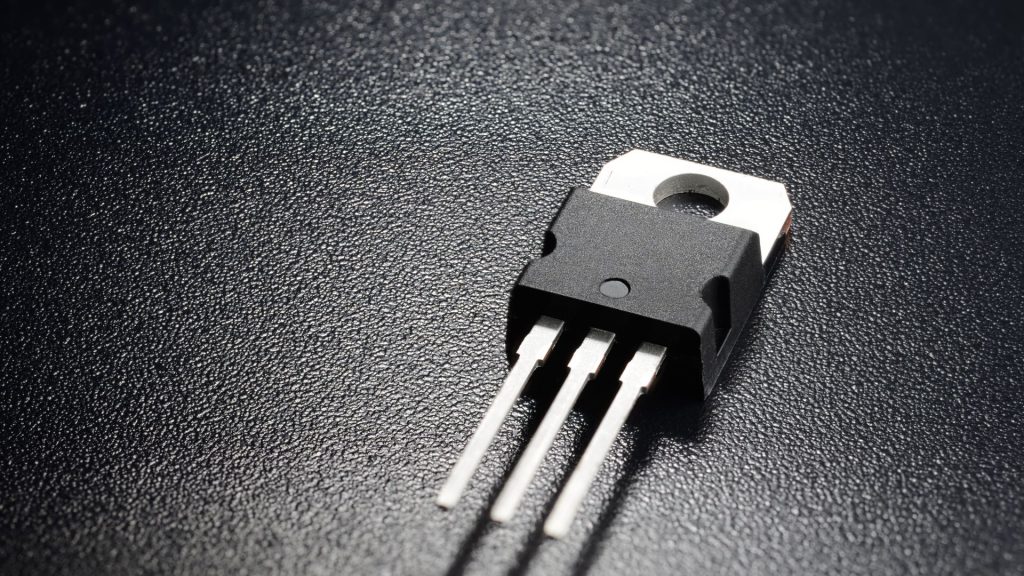
Power management has become a central design challenge in advanced electronic systems, especially as devices grow smaller while demand for higher performance increases. Engineers must ensure that energy conversion, distribution, and regulation are handled efficiently to reduce heat, extend component lifespan, and support stable operation under varying load conditions. A POWER Transistor IC plays a major role in this area by integrating switching elements and control circuitry into a compact, highly optimized package. These components help minimize losses during power conversion and enable precise control over current flow. As applications in industrial systems, communications equipment, and computing platforms continue to evolve, the need for reliable and efficient power transistors grows, driving designers to choose components that offer both performance and long term reliability.
Efficiency Through Advanced Switching Technologies
Switching speed and conduction performance are primary factors that determine how efficiently power moves through an electronic system. High quality integrated transistor solutions reduce the time it takes to switch between on and off states, which directly decreases energy loss during each transition. This improvement is especially important in switching power supplies, motor control systems, DC to DC converters, and RF power stages where performance depends on consistent, low loss switching behavior. Integrated designs also help maintain a stable thermal profile because less dissipated heat means lower operating temperatures. When incorporating a POWER Transistor IC into a design, engineers benefit from reduced parasitic elements and improved gate control, leading to more efficient operation across a wide range of load conditions. These advantages support more compact system designs without compromising performance.
Enhancing Reliability and Long Term Operation
Efficiency alone is not enough when developing high reliability electronic systems. Devices that handle substantial current loads must maintain performance over thousands of operational hours, often in harsh or demanding environments. The integration of power transistors into a single optimized IC helps reduce the number of external components, minimizing mechanical stress points and improving long term stability. Thermal management also becomes more predictable because heat is dissipated more evenly across the device package. Prestonics supports customers by helping them evaluate components that meet rigorous quality standards, ensuring that each design achieves both efficiency and durability. By focusing on reliable semiconductor technologies, engineers can build systems that deliver consistent performance even under high operational strain.
System Level Benefits in Advanced Designs
Power efficiency has a direct impact on system architecture, influencing everything from PCB layout and component density to cooling requirements and overall device lifespan. Integrated transistor solutions enable tighter design tolerances because they reduce EMI levels, simplify routing, and lower heat output. This can significantly improve system maintainability and reduce operational costs in large deployments. Industries such as communications infrastructure, industrial automation, and defense electronics require solutions that maintain stable performance in challenging conditions. Prestonics works closely with engineers to identify components that align with application specific needs, helping ensure that the chosen transistor IC contributes effectively to power optimization. By integrating advanced power components early in the design phase, companies can achieve better scalability, smoother system behavior, and reduced need for redesigns.
Power transistor IC integration is one of the most effective ways to improve system efficiency, reduce losses, and support long term reliability. To learn more about the advanced equipment Prestonics provides contact us today.